The thing about a deal is that both sides have to believe the same words mean the same thing. That is where this one stands now: in the gap between what Washington says it has and what Tehran says it agreed to.

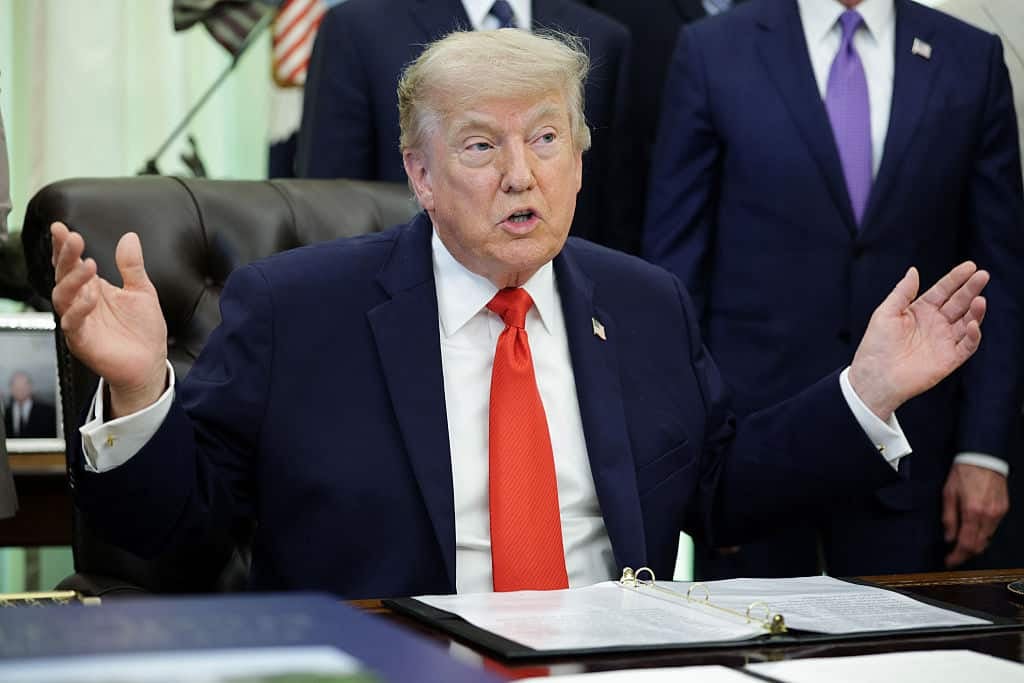
President Trump expressed frustration with Iran on Thursday after its Foreign Ministry said Tehran had not reached a final conclusion on any peace agreement. He called the Iranians “very dishonorable people to deal with” and warned that “they had better get their act together and fast!”
— Rapid Response 47 (@RapidResponse47) June 12, 2026
The frustration was earned, or at least it was understandable. A day earlier the president had said the deal was in its final stages, that Iran had agreed to end its nuclear program, that the thing might be signed by the weekend. Then came the Iranian version, and the Iranian version was different.
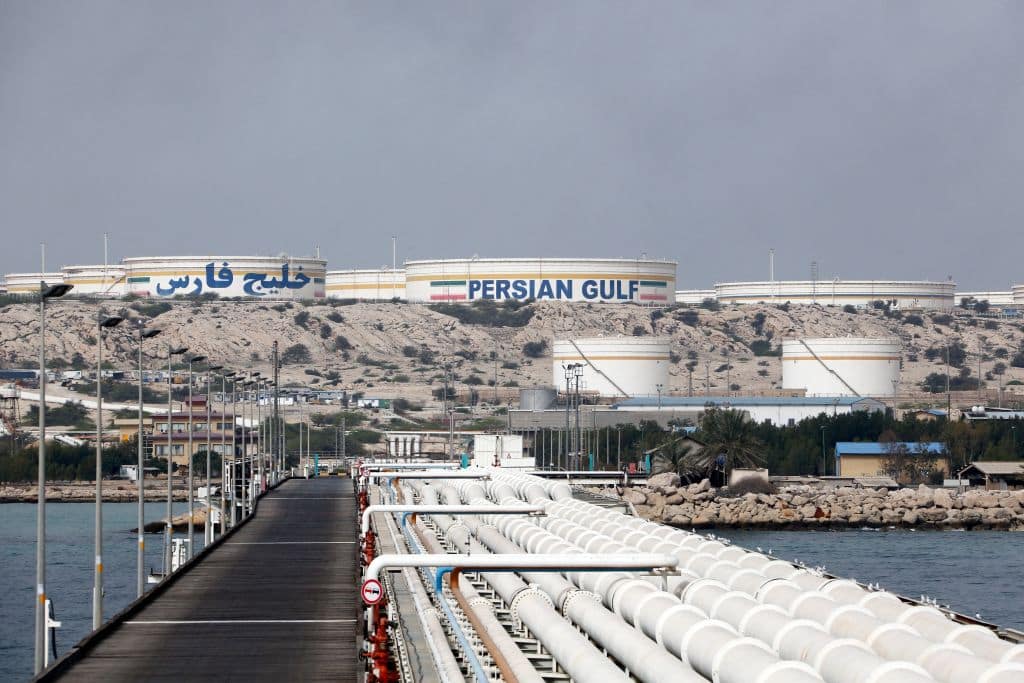
Iranian state media reported that Tehran would negotiate to keep its uranium enrichment. It would not cede control of the Strait of Hormuz. It wanted $24 billion of its frozen funds released as compensation for the American bombing campaign. This was not a smaller version of the same deal. It was a different deal.
Trump said so plainly. What the Iranians described, he wrote on Truth Social, “bears no relation to the truth.” On the central point he has not wavered: Iran cannot have a nuclear weapon. He has said it for weeks and he said it again.

But Tehran reads the draft its own way. The current text, it says, commits Iran to “no new commitments” on nuclear weapons, with the hard questions pushed into a 60-day window after signing. That was, to be fair, the original architecture. The plan always had two phases, and the nuclear talks lived in phase two. What looks like a contradiction may be a sequence. Or it may be a way to sign something now and argue about it later.
What is clear is that the two governments keep describing different agreements.
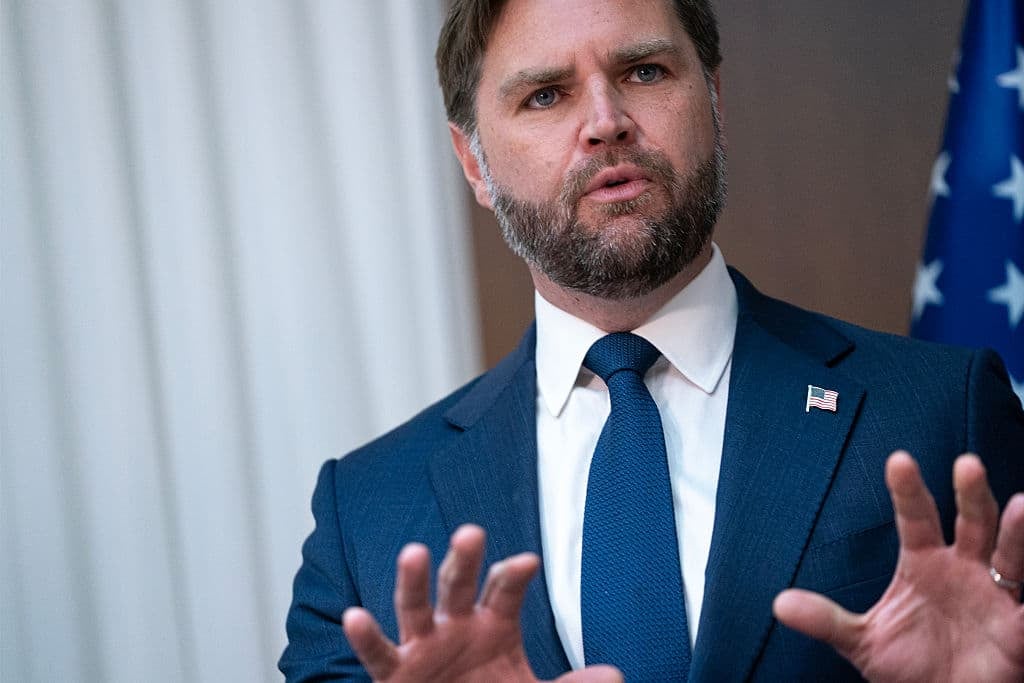
The American list is specific. A senior administration official gave The Post five points: Iran’s highly enriched uranium destroyed, its nuclear program dismantled, no frozen funds released “until they perform,” the Strait kept open, and no more Iranian money to terrorist groups.
“This is a performance-based deal,” the official said. Perform first. Then collect.
The White House thinks it is close. One official put it at 75 percent done and expected a signature within days, tentative but confident.
Tehran, oddly, agrees about the text while disagreeing about everything else. “The text has almost been finalized in its major parts,” the Foreign Ministry spokesman said, before adding that American inconsistency had caused “turbulence and disruption” along the way.
So the paper is nearly written, and the deal is nowhere near done.
Both of those things are true at once, which is the whole problem. A signature is coming, maybe this weekend.
What it will mean is the part nobody has agreed on yet.