He never cried. Not at birth, not much after.

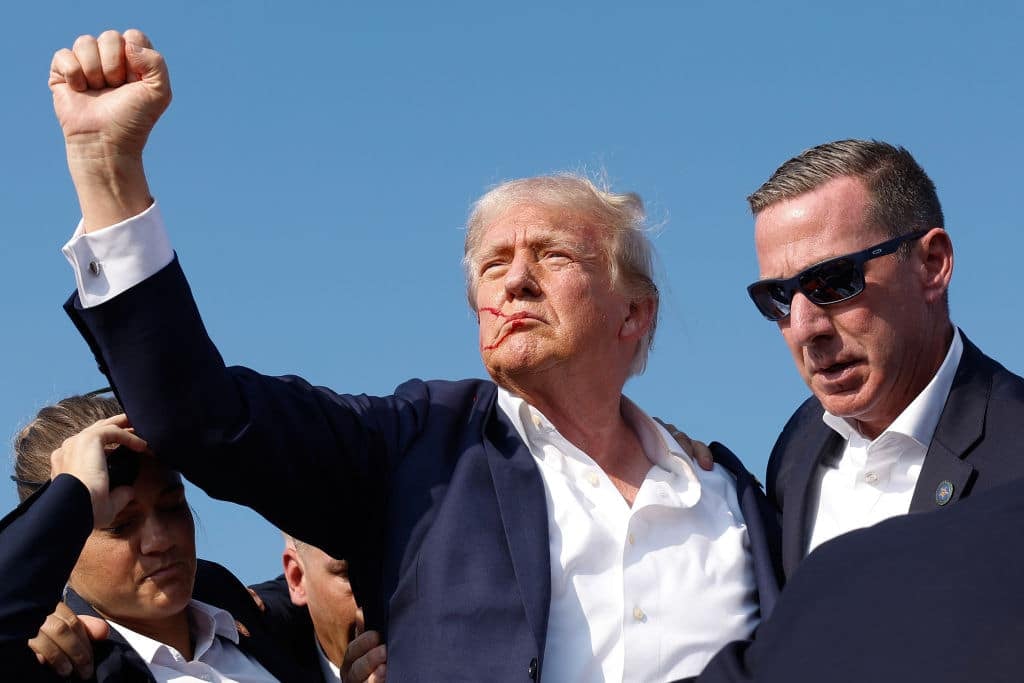
That’s how Thomas Matthew Crooks’ own father described him to federal investigators — a boy who came into the world silent and stayed that way, right up until the rooftop in Butler, Pennsylvania.
New documents, handed to Senate Judiciary Chairman Chuck Grassley and reviewed by The New York Post, lay out the fullest portrait yet of the young man who came within a hair’s breadth of killing Donald Trump.
It is not a comforting read.
He couldn’t hit a target at first. Then he spent four or five years turning himself into a marksman. He built a 3D printer and used it, along with a dryer and a toaster oven, to assemble a Glock 19 out of carbon fiber plastic.

He scattered himself across 35 digital accounts, some routed through Germany and Belgium, deliberately hard to trace. And after it was over — after the shots, after the Secret Service rounds that ended him — someone paid for his cremation. Anonymously. No name attached.
That last detail alone should raise eyebrows. It’s the digital footprint that’s raising something closer to alarm.
Because here’s the problem: then-FBI Director Christopher Wray told the country, under oath, that Crooks was something close to a ghost online — thin presence, hard to find, nothing much to flag.
The new documents say the opposite. Thirty-five accounts is not a ghost. That’s a young man leaving tracks in a dozen directions, tracks somebody should have picked up long before he ever got near a rooftop.
Trump noticed the gap, and Trump does not let gaps like this pass quietly.
He tore into his former FBI director by name, reviving a label he’s used before for officials he believes buried the truth: dirty cop. It’s not the first time — he hit Wray with similar language last fall over claims about January 6th. But this one lands harder. This isn’t a Capitol protest. This is the day a quarter-inch of distance was the difference between a graze and a funeral, and the country was told there wasn’t much to find.
Wray resigned in 2024 rather than wait to be pushed. Kash Patel runs the Bureau now, and he’s made his own frustration public — telling reporters last year that Wray’s testimony, the director unsure if it was even a bullet that hit the president, shook confidence in the institution itself. The current FBI chief and the sitting president, for once, are telling roughly the same story about the last one.
Whether “dirty cop” is fair or just Trump being Trump is a matter of taste.
What isn’t a matter of taste: the documents are real, they don’t match what the public was told, and two years after Butler, the file keeps getting thicker while the explanation keeps getting thinner.