In every confrontation between nations, there is a moment when words stop working. The radio crackles. A warning is issued. Then another. Then another. And at some point, when the ship on the other end keeps moving, and the crew keeps silent, the decision passes from the diplomats to the gunners.

That moment came Sunday in the Gulf of Oman.
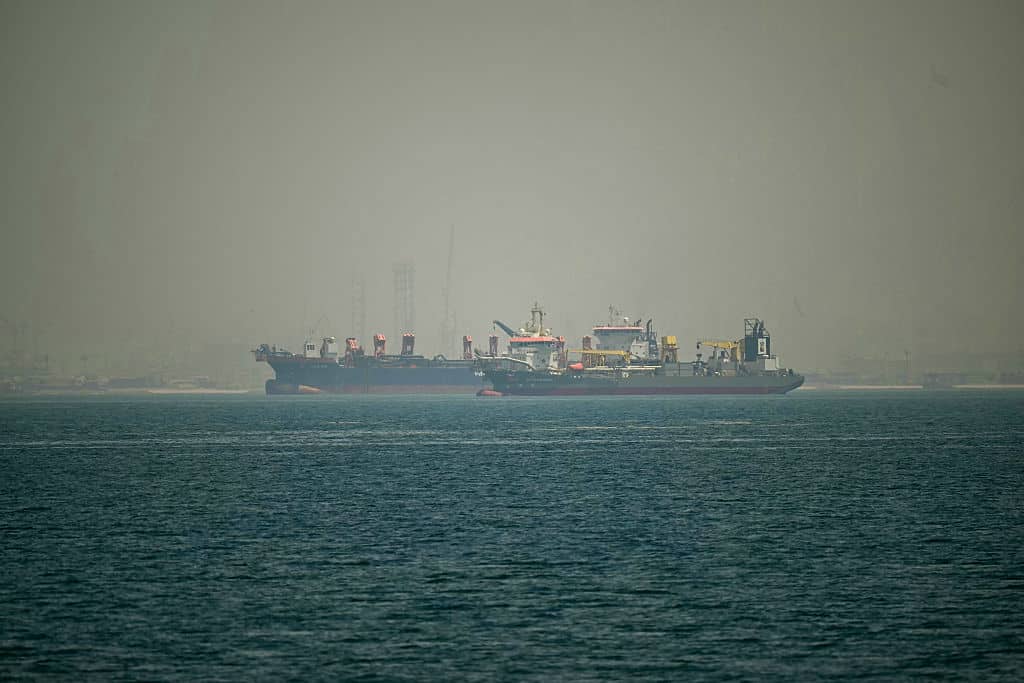
For six hours, the USS Spruance — a guided-missile destroyer named for an admiral who understood the cost of restraint — shadowed an Iranian-flagged cargo ship called the Touska as it churned toward the Iranian port of Bandar Abbas.
The Touska is nearly 900 feet long. It moves, as these things do, with the lumbering indifference of tonnage. It was traveling at roughly 17 knots when the Americans made contact and told the crew, in plain language, that they were in violation of a U.S.-enforced maritime blockade.
The crew did not answer. Not once. Not in six hours.
And so the Spruance did what American warships are built to do when words fail. It ordered the Touska’s engine room evacuated — a humane grace note in a sequence that was otherwise entirely about force — and fired several rounds from its five-inch deck gun into the ship’s machinery.
The propulsion died. The standoff ended. Marines from the 31st Marine Expeditionary Unit boarded the vessel and took custody of it. The ship now sits in American hands, its cargo being inventoried, its crew answering the questions they declined to answer at sea.
This is what a blockade looks like when it stops being a press release and starts being a policy.
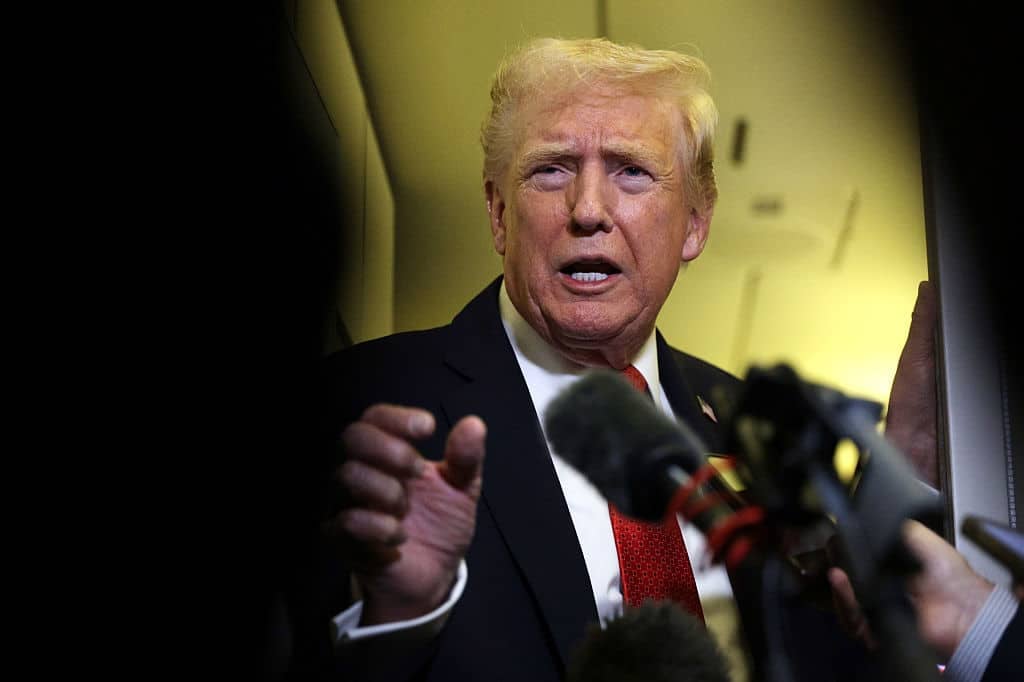
The President announced the seizure on TRUTH Social, noting that the Touska is under U.S. Treasury sanctions for prior illegal activity, that the Navy “blew a hole in the engineroom,” and that Marines now hold the ship.
Tehran responded through its Khatam al-Anbiya Central Headquarters, calling the operation “armed piracy” and promising retaliation. The word “retaliation” is one of those words that, in the Middle East, is never merely rhetorical and never quite specific.
What is worth pausing on, in all this, is the six hours.
Six hours is a long time at sea. Six hours is long enough for a captain to reconsider. Long enough to radio home. Long enough for the men in Bandar Abbas, watching the same radar the Americans were watching, to pick up a phone and tell their ship to stand down.
Nobody did. The Touska kept going. The silence on the radio was, in its way, a decision — a decision made somewhere, by someone, that this particular freighter would test this particular blockade on this particular Sunday.
The Americans made a decision, too. They could have let it pass. They could have shadowed the ship to port and filed a protest. They did not. And that decision — to fire, to disable, to seize — is the one that will be studied in the chanceries of Europe and the war rooms of the Gulf this week.
Because what happened Sunday is not the announcement of a policy. It is the enforcement of one. There is a difference, and every government in the region knows it.
The blockade is real. The line is drawn. And the United States Navy, when it says stop, means it.