The deal, such as it was, is off. Iran has stopped talking. And it has begun to organize instead.

On Monday, after Israel’s strikes on Beirut, Tehran pulled the plug on the back-channel diplomacy that mediators had been quietly stitching together for weeks — the fragile architecture meant to reopen the Strait of Hormuz and walk everyone back toward formal talks.
The Iranian negotiating team is suspending, in the words of the government-linked Tasnim News Agency, “discussions and exchanges of texts through intermediaries.” The reason given: the ceasefire, they say, has been violated on all fronts, including Lebanon, which was part of the deal.
There is a familiar logic here, the logic of the maximalist. No dialogue, Tehran says, until the operations in Gaza and Lebanon stop and the regime withdraws fully from occupied areas. Everything or nothing. It is the posture of a side that believes time and pressure are on its side—or wants the other side to believe it.
And then the threat, which is the part that should focus the mind. Iran is not merely walking away from the table. It is promising to widen the war. The complete closure of the Strait of Hormuz, yes, the chokepoint through which a fifth of the world’s oil moves—but also, now, the Bab el-Mandeb, the second chokepoint, the one at the mouth of the Red Sea. Two doors to the world’s energy, and Iran is saying it may shut them both.
But the walkout is only half the story, and perhaps not the larger half. Because while Iran was closing channels, it was also, quietly and not so quietly, trying to build something. A counteroffensive—not of missiles this time, but of alliances.
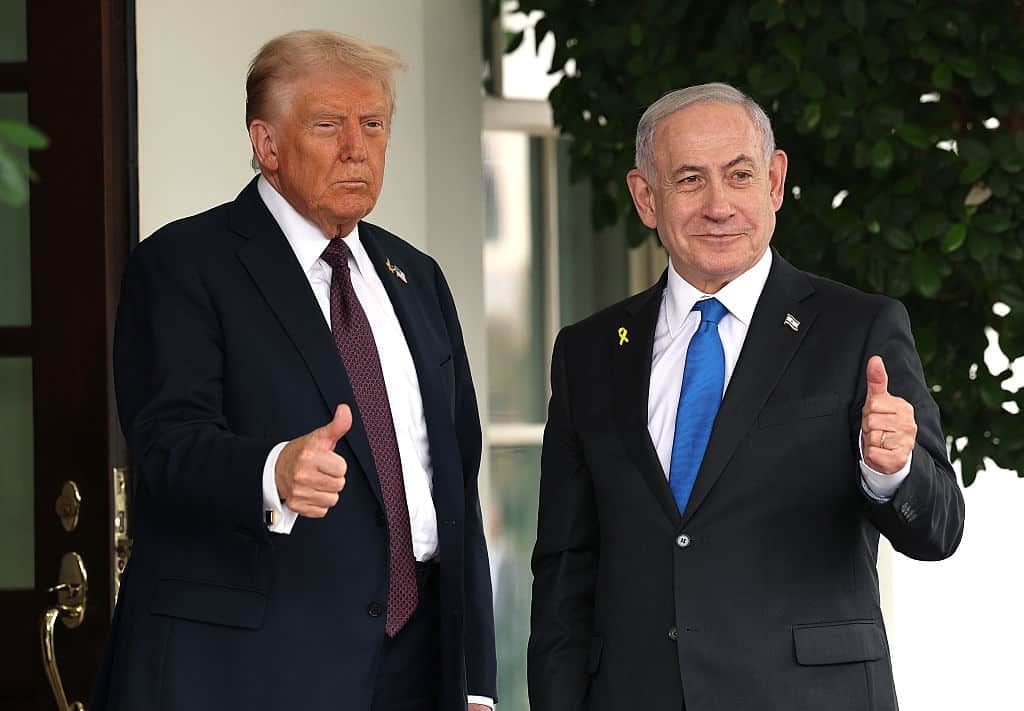
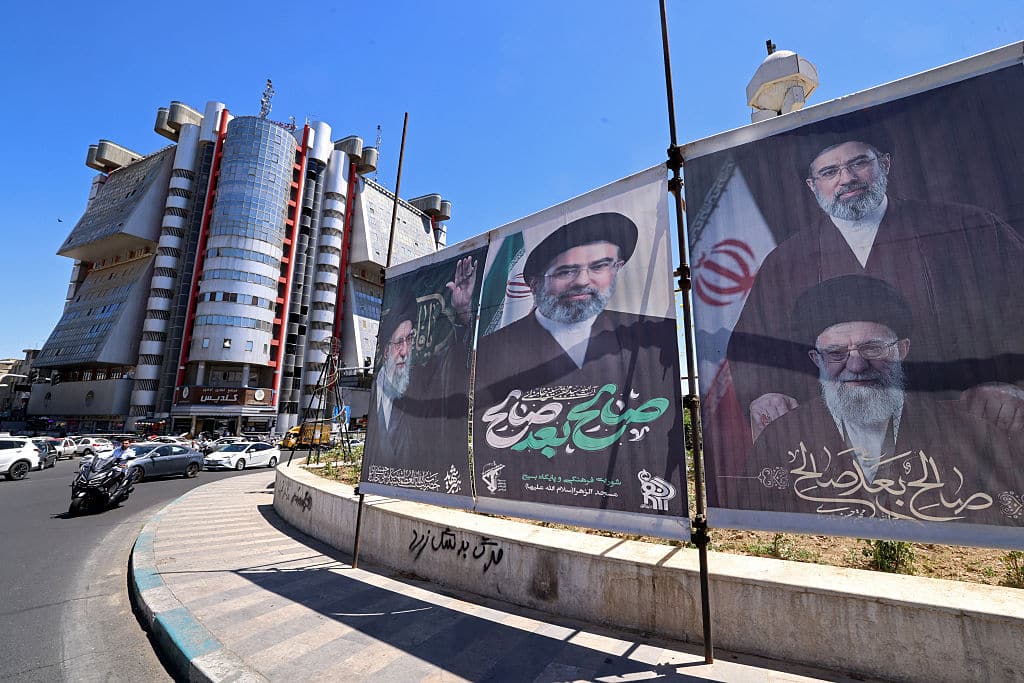
The timing was not accidental. President Trump had just made his pitch to expand the 2020 Abraham Accords, working the phones with the leaders of Saudi Arabia, the UAE, Qatar, Turkey, Pakistan, Egypt, Jordan and Bahrain, and following up with a Truth Social post on May 25. Within hours, the answer came from Tehran. On May 26, Mojtaba Khamenei — son of the supreme leader, and a man whose own ambitions are the subject of much regional speculation — posted his own appeal on X, aimed at those very same capitals. He invited the Islamic world, in language smooth as oil, to “friendship and cooperation in goodness,” to a “New Islamic Civilization,” to a consolidation of the Ummah under, it is not hard to read between the lines, Iran’s leadership.
The velvet glove did not stay on long. “The United States will no longer have a safe haven for its mischief and for establishing military bases in West Asia,” Khamenei warned in the same breath.
This is the maneuver an analyst described to Fox News Digital: Tehran positioning itself as the region’s “new sheriff,” forcing the Gulf states — the ones with their own quiet backchannels to Iran — to choose. Washington’s security umbrella, or a New Islamic Civilization. As Dr. Omar Mohammed put it, the message is that the Muslim world should gather under Iran’s banner against the American-led order.
So here is the picture, whole. Negotiations with Washington were still technically alive on Sunday, with Trump not yet having signed anything. The back channels suspended by Monday. And running underneath it all, a bid to flip the board entirely — to answer an American alliance-building project with an Iranian one.
This is how a regional conflict becomes a global one. Not in a single dramatic stroke but in the quiet closing of channels and the opening of others, the suspension of texts through intermediaries, the threat tucked into a statement on X, the invitation that is also a warning.
The diplomacy was always strained.
Now we will see what holds when one side stops talking and starts recruiting.