On Monday, the Justice Department announced that Brenda Lee Brown Armstrong — a longtime California voting activist — has agreed to plead guilty to felony charges stemming from what prosecutors describe as a nearly two-decade scheme to pay people for petition signatures and voter registrations.

Some of those people, according to federal filings, were homeless individuals living on Los Angeles’ Skid Row.
The price for their civic participation: two or three dollars.
It is a tawdry story. And it is being told loudly, deliberately, by an administration that has made election integrity a marquee issue.
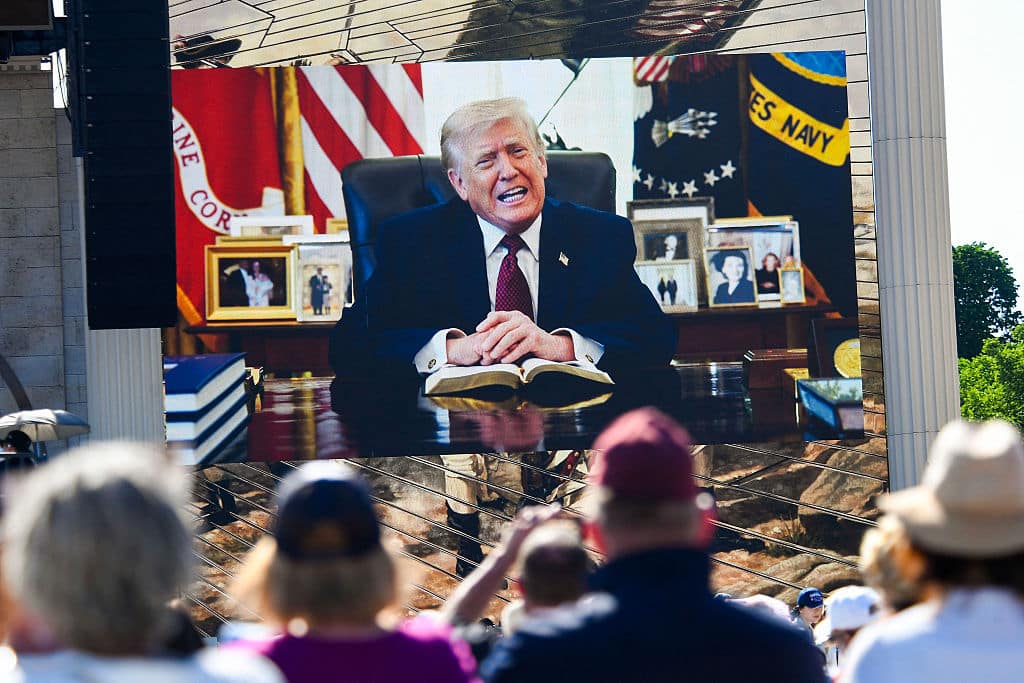
Armstrong is the latest figure swept up in what the Trump Justice Department is framing as a broad crackdown on election abuses. At the center of that effort is Assistant Attorney General Harmeet Dhillon, who has become the administration’s most visible face in this fight.

The mechanics of the alleged scheme are worth understanding. Prosecutors say Armstrong routinely paid cash — small amounts, almost insultingly small — to induce people to sign petitions.
In some cases, she allegedly went further, allowing homeless individuals to use her own address on official registration forms. In January, according to federal filings, she knowingly paid someone to register to vote in a federal election.
But Armstrong wasn’t operating alone.
The plea agreement pulls back the curtain on a larger infrastructure. Unnamed “coordinators,” according to prosecutors, paid workers only for signatures from registered voters — a structure that created a direct financial incentive to register people first and gather petition signatures second.
Whether those newly registered voters ever intended to participate in the democratic process is a question the filings leave pointedly unanswered.
The DOJ has not yet disclosed the full scope of the alleged fraud — how many signatures, how many registrations. That may come. For now, what matters is the signal: federal prosecutors are working in California and are handling cases that go back years.
Elections are the machinery of self-governance. When that machinery is gamed — even at street level, even for two dollars at a time — something essential is corroded.
The Justice Department is betting the American public agrees.