Thanksgiving is our simplest holiday. No gifts to buy and no fireworks permits. Nobody checks your beliefs at the door. You show up, someone hands you a plate, and for a few hours a family that argues all year agrees on one thing: we’ve been given more than we deserve, and it’s polite to say so.

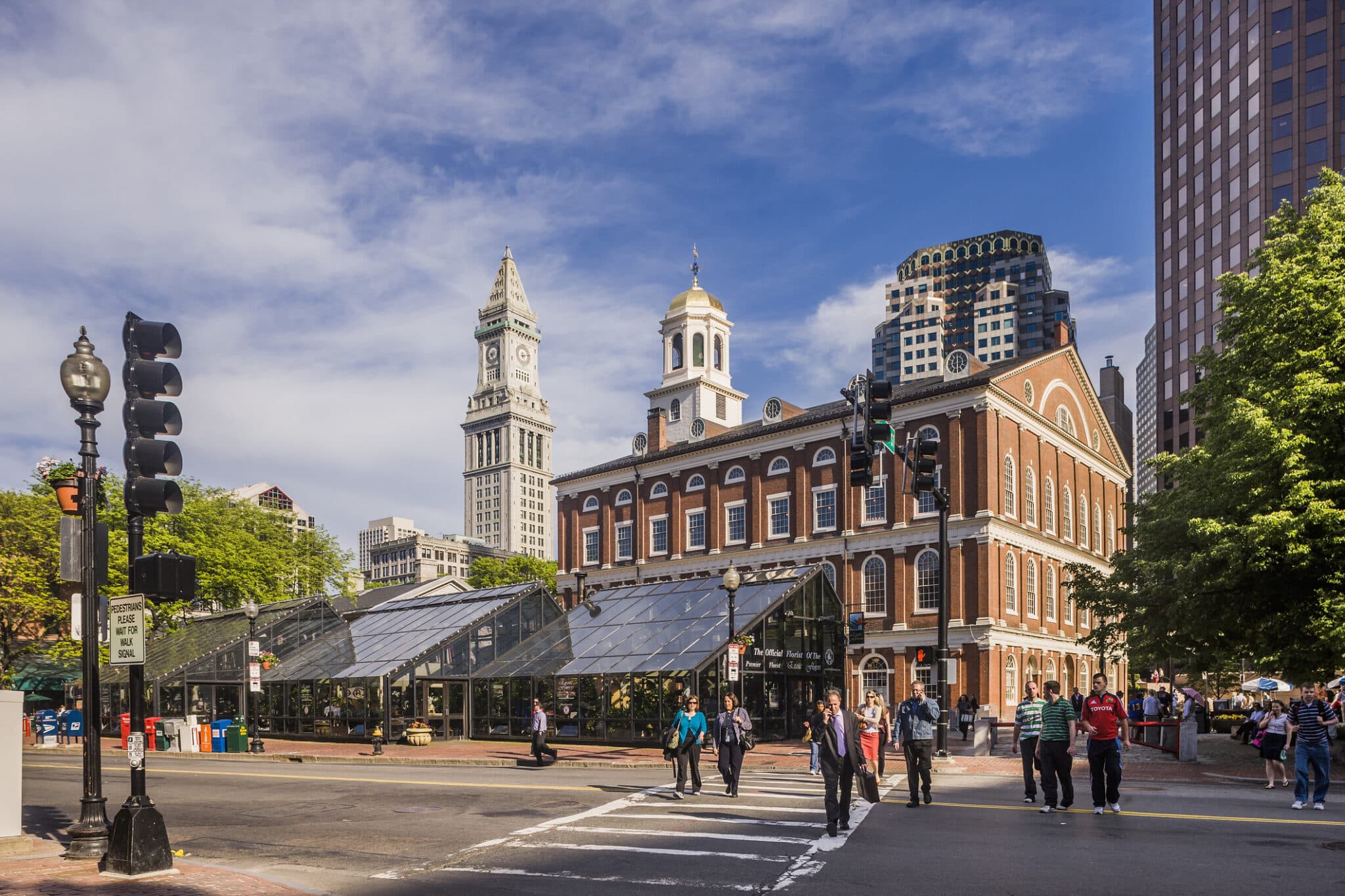
Boston’s City Council keeps finding ways to complicate it.
Last week, for the third year running, the council named Thanksgiving Day a “National Day of Mourning” in the city.
Councilor Benjamin Weber introduced the resolution, co-sponsored by 11 of his colleagues, and it passed without trouble. It carries no legal weight. City Hall will run as usual. It’s a statement, and the statement is the point.
Councilor Julia Mejia made the case at the meeting. The Thanksgiving story taught in schools, she said, “fails to acknowledge the devastating consequences” of colonization for Native people.
It’s become a habit. Weber first brought the resolution in 2024 and filed it again last year.
This year it comes as the country turns 250, in the city that rang the first bells of the Revolution.
The original 2024 resolution said the colonization of North America “led to the systematic destruction of Native people.” It called the familiar story of the 1621 harvest a sanitized one. Weber said then that “Thanksgiving is not a celebration for all.” Councilor Tania Fernandes Anderson went further. She urged residents to study what she called “the worst holocaust that exists in our history.”
The history deserves its due, and it’s a hard history.
The Day of Mourning began in 1970, when the Wampanoag leader Wamsutta Frank James was invited to speak at Massachusetts’ celebration of the Pilgrims’ 350th anniversary. Then the invitation was withdrawn. He and others gathered on Cole’s Hill in Plymouth instead, and Native groups have marked the day there ever since.
That’s their right, and a confident country can hold that memory without flinching.
But a protest and a city government are different things.
The council also seems to have missed something. Thanksgiving was never a celebration of conquest. Lincoln made it a national holiday in 1863, during the bloodiest war this country has fought. In the same proclamation that asked Americans to give thanks, he asked them to remember the “widows, orphans, mourners or sufferers.” Grief and gratitude have been in the holiday from the start. It already has room for sorrow. It just doesn’t make sorrow the point.
That’s the line between remembering and renaming. You can tell the truth about 1621, and about everything that came after, and still bow your head on Thursday. Gratitude isn’t the same as denial. Often it’s what keeps a person standing after loss.
Welp. https://t.co/5JxrfyLjSC
— Joe Concha (@JoeConchaTV) November 25, 2026