Not every theft is the same. Among the worst is people stealing from the sick and helpless.

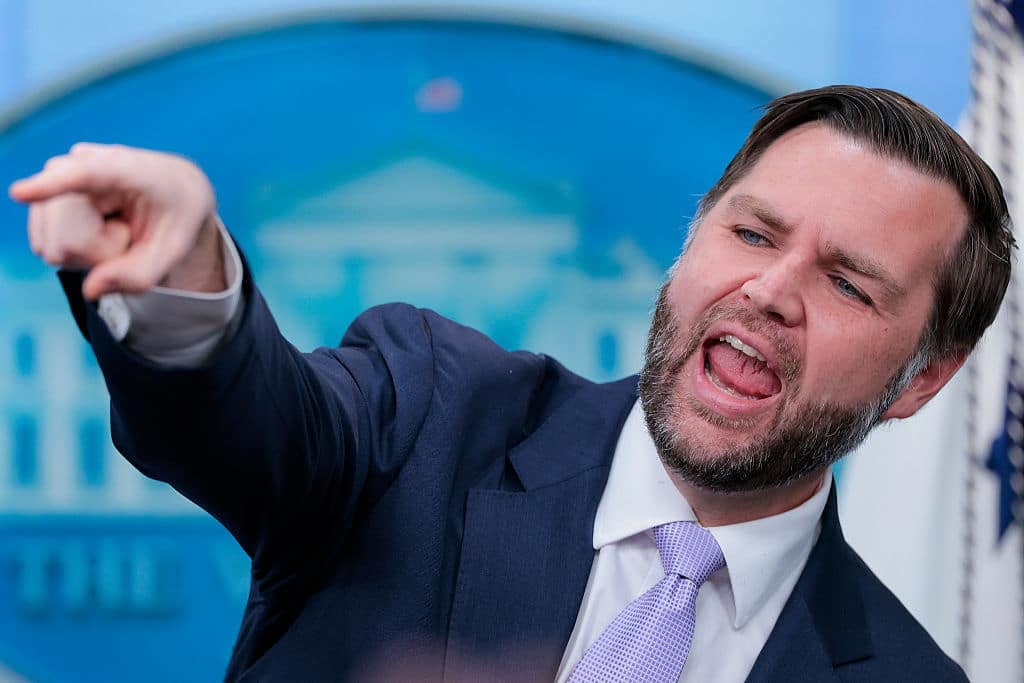
That is what Vice President JD Vance was talking about Thursday when he announced that the Justice Department has charged 15 people in Minnesota in connection with fraud schemes allegedly involving roughly $90 million in Medicaid and social service funds.
One case stood out. A defendant allegedly billed Medicaid for round-the-clock care for a disabled man who was later found dead — a man who, prosecutors contend, received no actual services.
Vance called it sickening. He was right.
“Our message is simple,” he said. “If you were committing fraud, our task force will find you. We’ll come after you, and we will not rest until justice is served.”
The charges include two of the largest Medicaid fraud cases in Minnesota history and what officials described as the largest autism-services fraud case ever brought by the federal government.
The Minnesota cases did not emerge from nowhere. Independent journalist Nick Shirley had spent months confronting organizations receiving taxpayer funds on camera. Daily Wire reporter Luke Rosiak had been examining Ohio’s home healthcare system, which spent roughly $1 billion in 2024, including reimbursements for household chores performed by relatives. Seven buildings in Columbus allegedly housed 288 home healthcare businesses that collectively billed taxpayers more than $250 million.
These are not rounding errors. These are choices someone made.
Thursday also brought a reckoning in a separate case. Aimee Bock, founder of the nonprofit Feeding Our Future, was sentenced to nearly 42 years in prison for her role in a $250 million fraud scheme — money meant to feed children during the COVID-19 pandemic. Federal prosecutors have called it one of the largest pandemic-fraud schemes in American history.
Vance has warned states that failure to police this kind of theft could cost them future Medicaid funding. Whether that changes behavior remains to be seen. What is clear is that someone in this administration has decided, for now, to treat the matter with the seriousness it deserves.
The money was never abstract. It belonged to the taxpayer who earned it — and to the people who needed it and never received it.
Today, the task force and the DOJ announced a massive take down of two of the largest Medicaid fraud cases in Minnesota state history, as well as the largest autism fraud scheme ever charged by the federal government. Our message is simple: if you’re committing fraud, we will… pic.twitter.com/MNfkLlOY0R
— JD Vance (@JDVance) May 22, 2026