There is a war in the Middle East, and it is three weeks old. On Monday, President Trump announced a pause — five days, no strikes on Iranian power plants or energy infrastructure — contingent, he said, on the progress of ongoing negotiations.

“I am pleased to report,” the President wrote, “that the United States of America, and the country of Iran, have had, over the last two days, very good and productive conversations regarding a complete and total resolution of our hostilities in the Middle East.”
Tehran disputed this characterization almost immediately. Iran’s Foreign Ministry, in a statement to state-run newspaper IRAN, said the American president’s remarks were “part of efforts to reduce energy prices and buy time to implement his military plans.” Iran, the ministry added, did not start the war — and any requests for de-escalation should be directed to Washington.
The gap between those two accounts is not a small one. It is, in fact, the whole question.
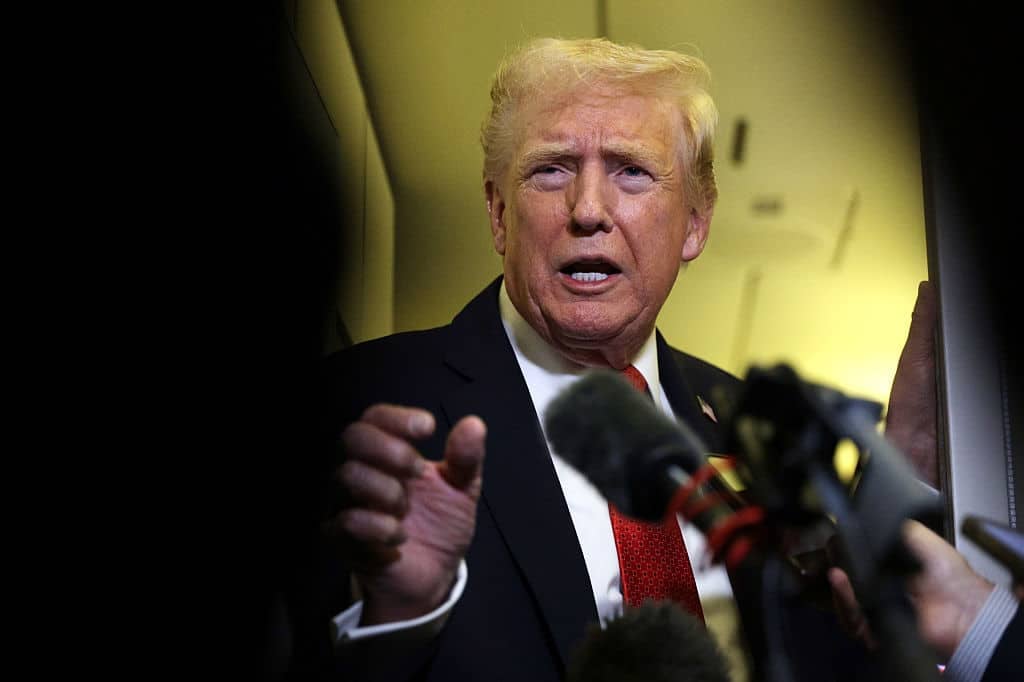
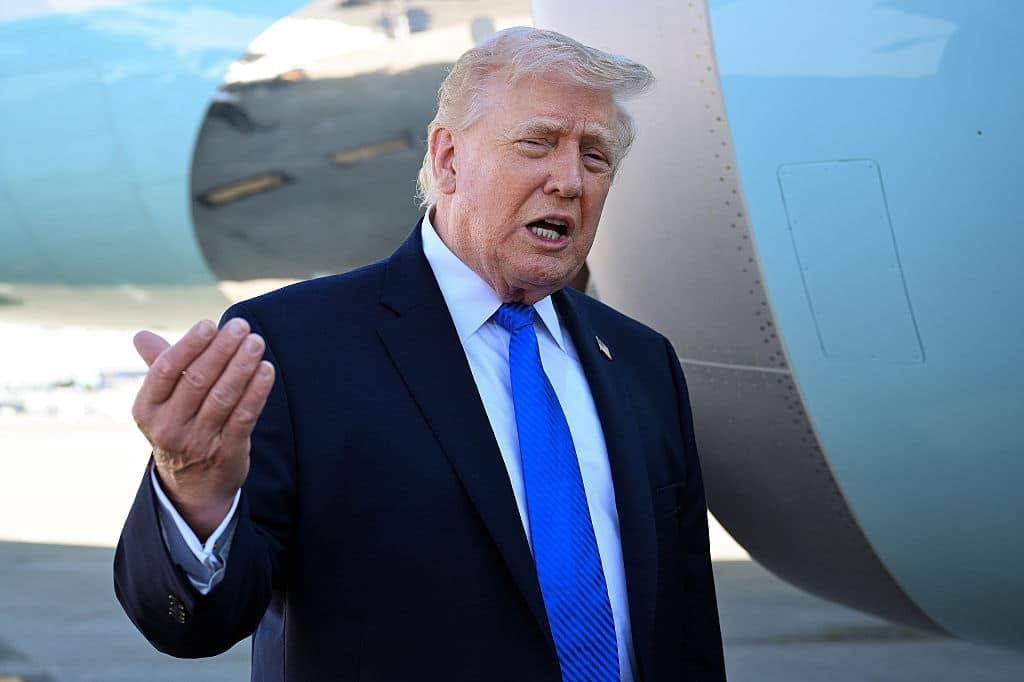
Speaking to reporters as he departed South Florida, the President elaborated in the manner he favors — discursive, confident, and somewhat difficult to parse. He spoke of “major points of agreement — almost all points of agreement.” He noted, as a logistical matter, that Iran’s communications infrastructure had been “blown to pieces,” which had complicated direct contact. He said they would likely speak by phone. He said they would meet “very, very soon.” He said Iran wanted a deal. He said we wanted a deal.

And then, in the way that a throwaway line can sometimes illuminate more than a prepared statement, he added: “Otherwise, we’ll just keep bombing our little hearts out.”
One hopes the diplomacy holds. The alternative, the President has made clear, is not ambiguous.