Something significant may be happening.

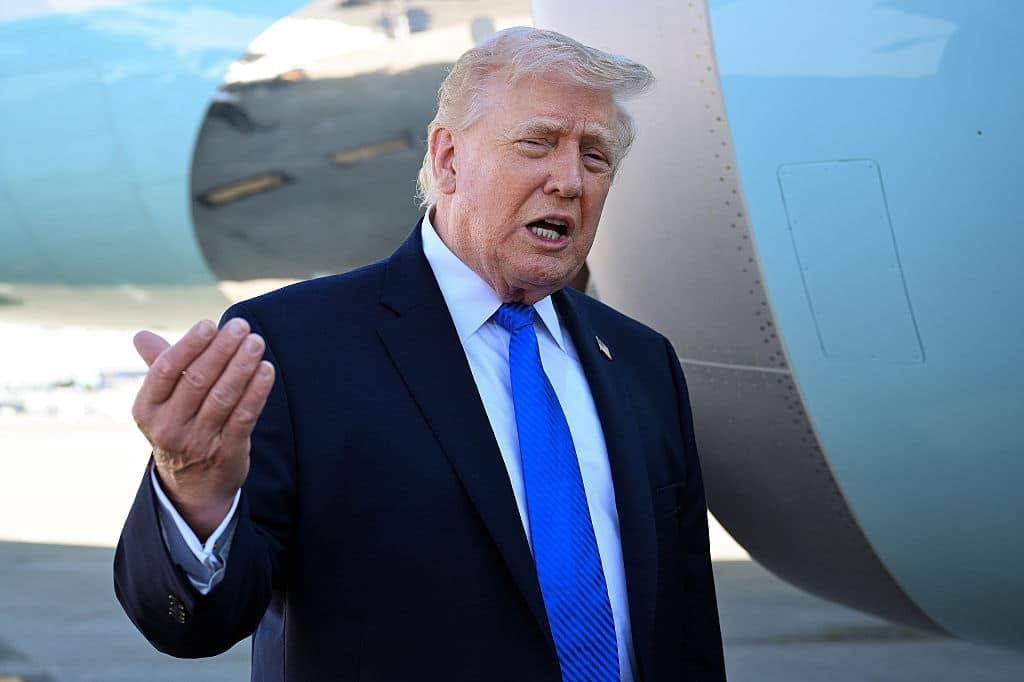
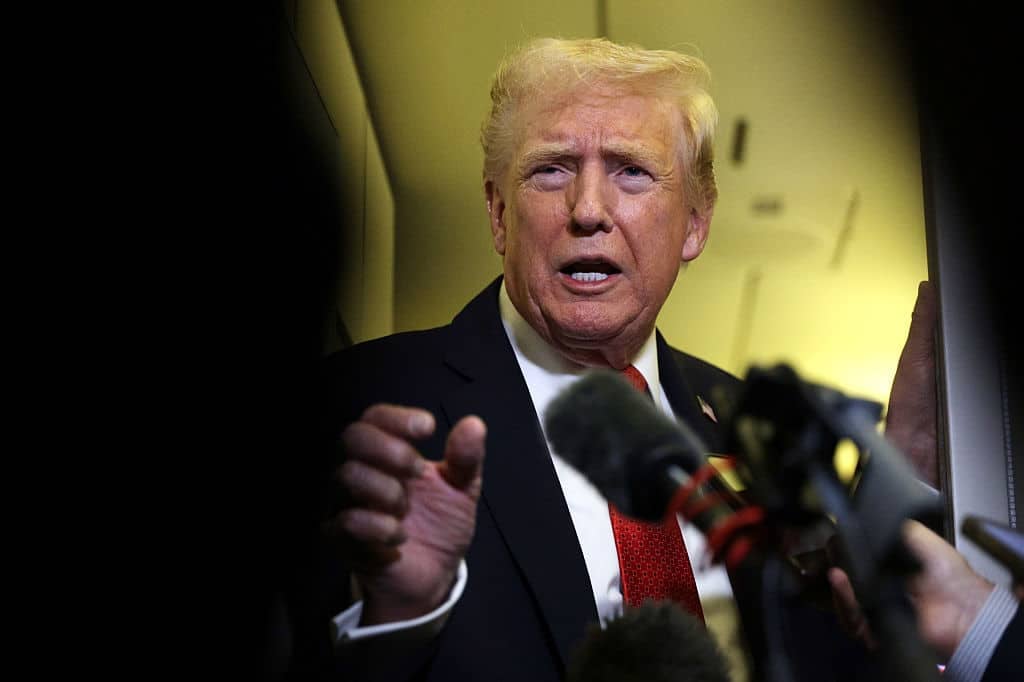
On Tuesday, President Trump told reporters in the Oval Office that Iran has agreed to never acquire nuclear weapons — the demand that has sat at the center of American policy toward Tehran for a generation, and the issue that has shadowed this three-week war from its first hour.
“They’ve agreed,” the President said. “They will never have a nuclear weapon. They’ve agreed to that.”
If true, it is a remarkable development. The question — and it is not a small one — is what “agreed” means in this context, and how that agreement was reached, and what guarantees attach to it.
Those details have not yet been made public.

What is known, through reporting by Axios, is that U.S. officials and a coalition of regional Middle Eastern mediators are discussing the possibility of high-level peace talks as early as this week, pending a response from Tehran.
The United States has also presented Israel with a 15-point framework for ending the conflict, and has indicated that Iran has already accepted several of its key elements.
The architecture of a deal, in other words, may be taking shape. The war is three weeks old. The nuclear question has been the defining anxiety — for this administration, for Israel, for the broader world — since before the first strike was ordered.
A president who can say, credibly and verifiably, that he ended that threat will have achieved something that eluded his predecessors for decades.
But Tuesday felt, for the first time, like the possibility of an ending.
🚨 HOLY CRAP! President Trump just confirmed that Iran has pledged to never pursue a nuclear weapon as negotiations continue
They're caving.
"It all starts with never getting a nuclear weapon…they've agreed. THEY WILL NEVER have a nuclear weapon."
This would be huge! 🇺🇸 pic.twitter.com/CTbLJFAtLN
— Eric Daugherty (@EricLDaugh) March 24, 2026