Something unusual is happening in the Middle East — a superpower is asking its closest ally to hold back, and the ally is listening.

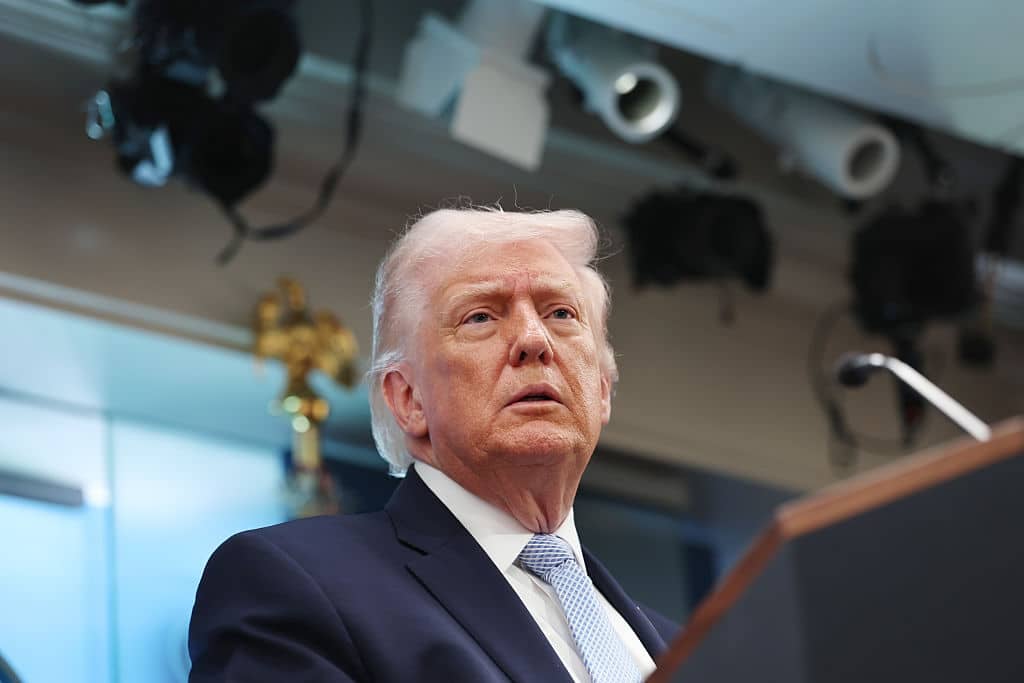
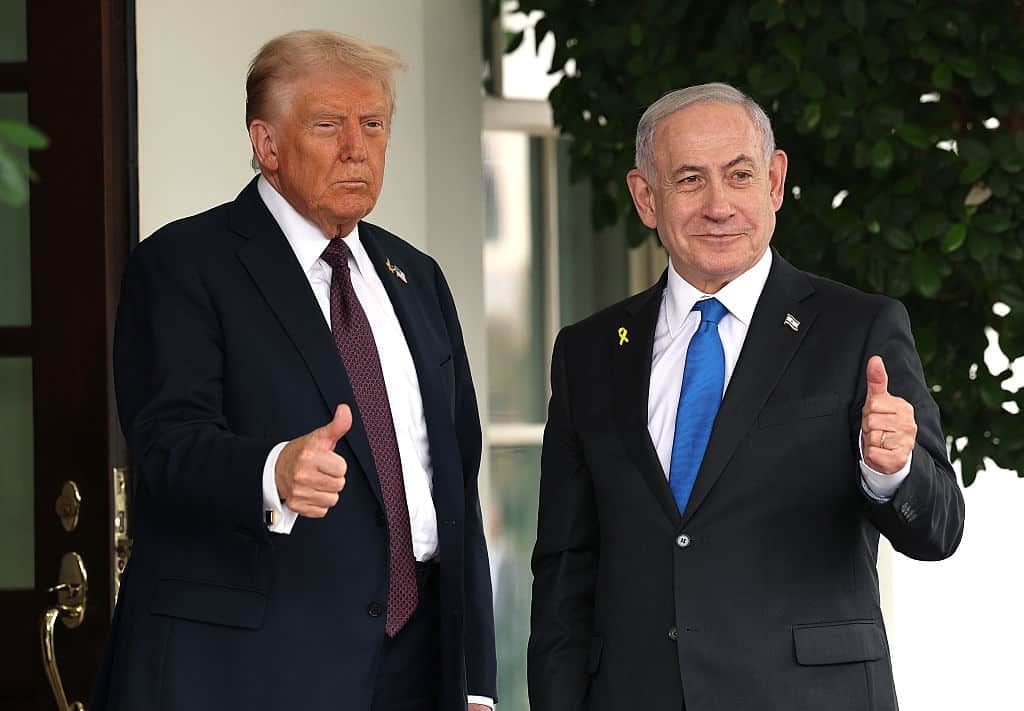
President Trump has privately urged Israeli Prime Minister Benjamin Netanyahu to scale down strikes in Lebanon. The request is delicate, pointed, and timed: negotiations with Iran are imminent, and Washington doesn’t want the cease-fire framework — already fragile, already contested — shaken loose before talks can begin.
Both leaders have maintained, for public consumption, that Israel’s campaign against Hezbollah falls outside the scope of any Iran deal. But Trump, according to reports, went further in private, pressing Netanyahu to act as “a helpful partner” in the weeks ahead.
Vice President Vance offered a brief window into what that partnership looks like in practice.
“The Israelis,” he told reporters in Budapest, “have actually offered to check themselves a little bit in Lebanon because they want to make sure that our negotiation is successful.”

Q: "There seems to be a disagreement about whether Lebanon was included in this proposal…Would you ask Israel to hold off strikes?"
VP Vance: "The Iranians thought the ceasefire included Lebanon, and it just didn't…The Israelis have offered to check themselves in Lebanon." pic.twitter.com/m762PIhHVZ
— CSPAN (@cspan) April 8, 2026
The context for that statement is sobering. Those remarks came after one of the war’s most intense bombardments — more than 250 people killed in a matter of minutes, according to reports.
Netanyahu, for his part, moved visibly in Washington’s direction. He announced Israel would enter direct negotiations with Lebanon.
“In light of Lebanon’s repeated requests,” he said in a statement, “I instructed the cabinet to begin direct negotiations… as soon as possible.”
The talks, expected to focus on disarming Hezbollah and stabilizing the border, are slated to begin next week in Washington. Ambassador Michel Issa will lead the U.S. delegation.
But diplomacy and military pressure are not yet pulling in the same direction. The Israel Defense Forces issued new evacuation warnings for parts of southern Beirut, making clear that operations against Hezbollah infrastructure continue.
“Out of concern for your safety,” IDF Arabic spokesman Avichay Adraee warned residents, “you must evacuate immediately.”
#عاجل ‼️ انذار عاجل إلى سكان الضاحية الجنوبية وخاصة في الأحياء:
🔸حارة حريك
🔸الغبيري
🔸الليلكي
🔸الحدث
🔸برج البراجنة
🔸تحويطة الغدير
🔸الشياح
🔸الجناح⭕️يواصل جيش الدفاع العمل ومهاجمة البنى التحتية العسكرية التابعة لحزب الله الإرهابي في مختلف أنحاء الضاحية الجنوبية
⭕️جيش… pic.twitter.com/UEv1ULB2XK
— افيخاي ادرعي (@AvichayAdraee) April 9, 2026
The cease-fire is holding — barely.
The diplomacy is moving — carefully.
And the bombs, for now, have not stopped falling.