There are moments in Washington when the vote itself tells you everything. Wednesday was one of them.

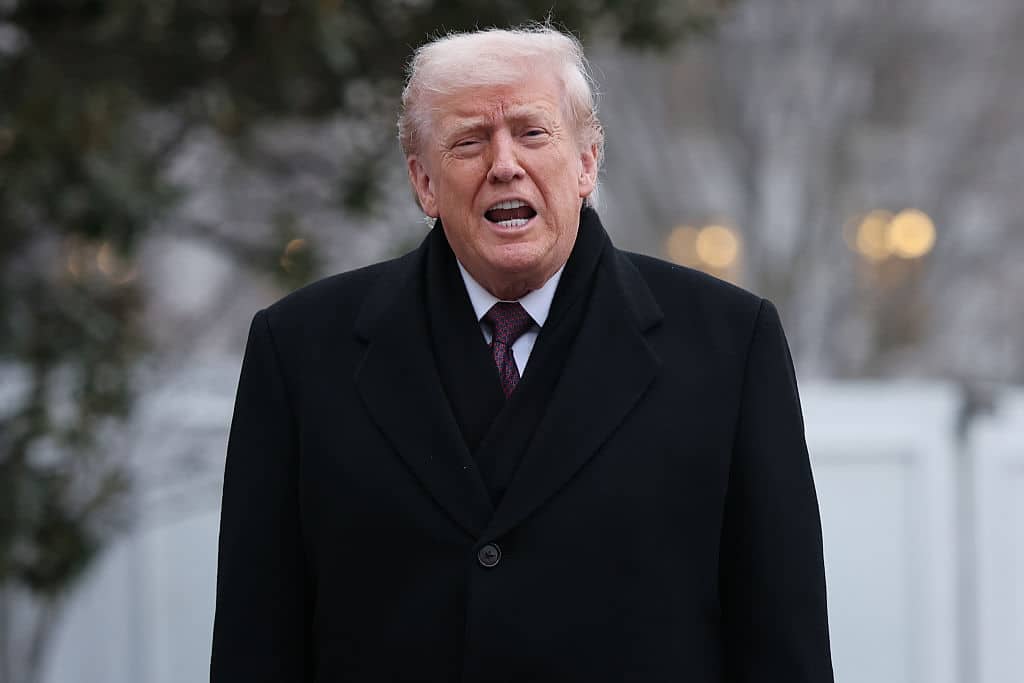
Senate Republicans closed ranks behind President Trump, defeating a Democratic resolution that would have curbed the administration’s military authority in Iran.
The margin was not surprising. The meaning was not subtle. Senate Republicans, by and large, have decided this is their war too — or at least that it is not their place to say otherwise.
The resolution, brought by Virginia’s Tim Kaine, would have required explicit congressional authorization before further hostilities against Tehran could continue. It failed largely along party lines, a familiar outcome in an era when party loyalty has become the nearest thing Washington has to a governing philosophy.
But two senators broke the pattern.
Rand Paul, who has long believed that the Constitution means what it says about the power to declare war, voted with the Democrats. John Fetterman voted with the Republicans. Both men, in their way, are consistent. That’s rarer than it sounds.
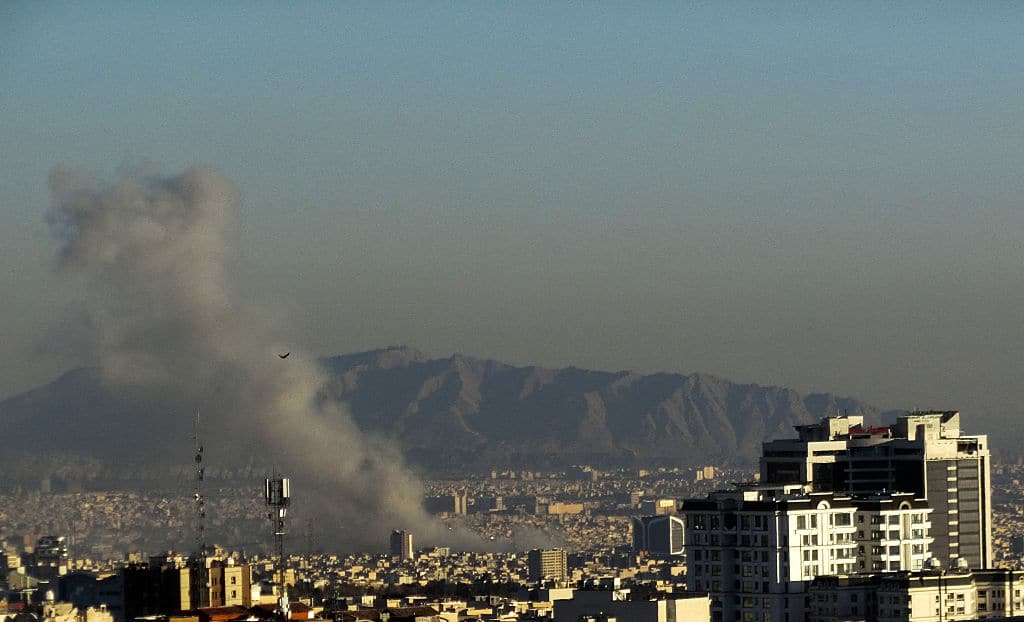
The White House had worked the phones and the briefing rooms in the days prior, walking lawmakers through the logic of Operation Epic Fury — the strikes against Iran conducted alongside Israel. Several undecided Republicans came away persuaded, or persuaded enough. Senior officials held classified briefings. The resolution lost.
Democrats argued the vote was a quiet surrender of congressional authority — one of those institutional powers that, once ceded, rarely returns. Kaine put it plainly: “It’s time for the president to keep promises, not break them.” Chris Murphy went further, warning that the administration had refused to rule out ground troops. “This is going to make the operations in Libya look like child’s play,” he said.
Republicans were unmoved. Lindsey Graham called the War Powers Act itself unconstitutional. Markwayne Mullin offered the line that will likely be remembered from the day: “We don’t need 535 commanders in chief.” It’s a good line. It’s also a way of not answering the harder question.
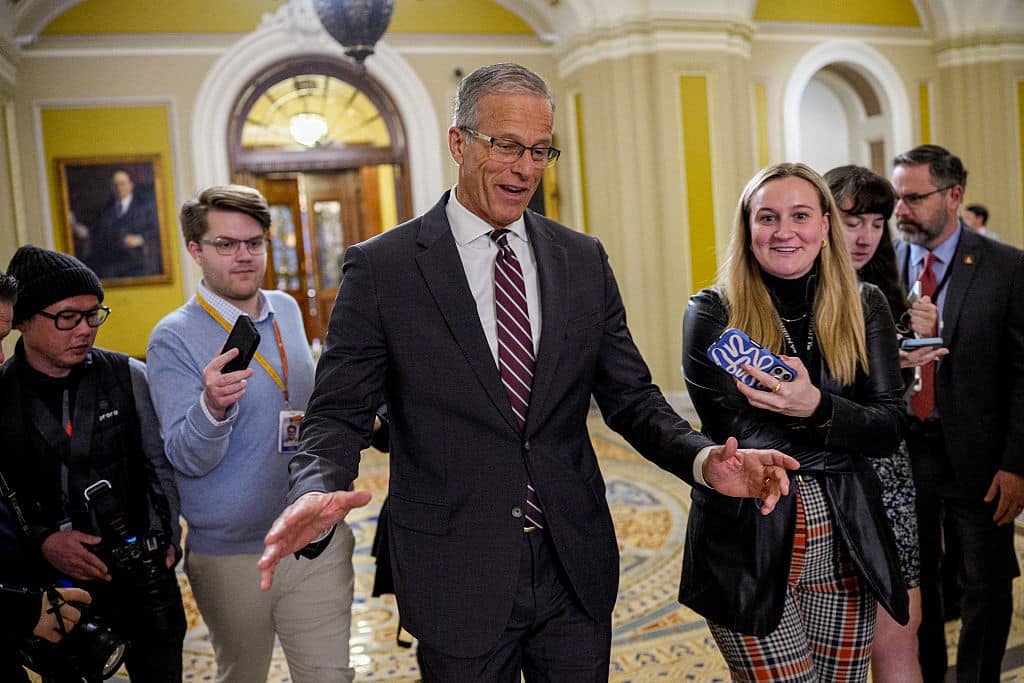
John Barrasso noted, with pointed arithmetic, that Kaine has introduced war-powers resolutions at a rate that strains historical precedent — nearly half of all such resolutions filed in fifty years now bear his name. He did not introduce similar measures, Barrasso added, when Obama or Biden were in office.
That’s a fair point, even if it doesn’t settle the constitutional one.
The deeper argument — older than any of the senators making it — remains unresolved. The Constitution grants Congress the power to declare war. Presidents have spent the better part of a century finding ways around that.
Neither party has been principled about it when the White House belonged to them.
Wednesday’s vote didn’t resolve the tension. It restated it. With the Middle East still unsettled and the administration declining to rule out an escalation, it is a safe bet that this argument will return — louder, and with higher stakes, before it is finished.