A new intelligence assessment is raising a question that cuts to the heart of the Iran crisis: Is anyone actually in charge?

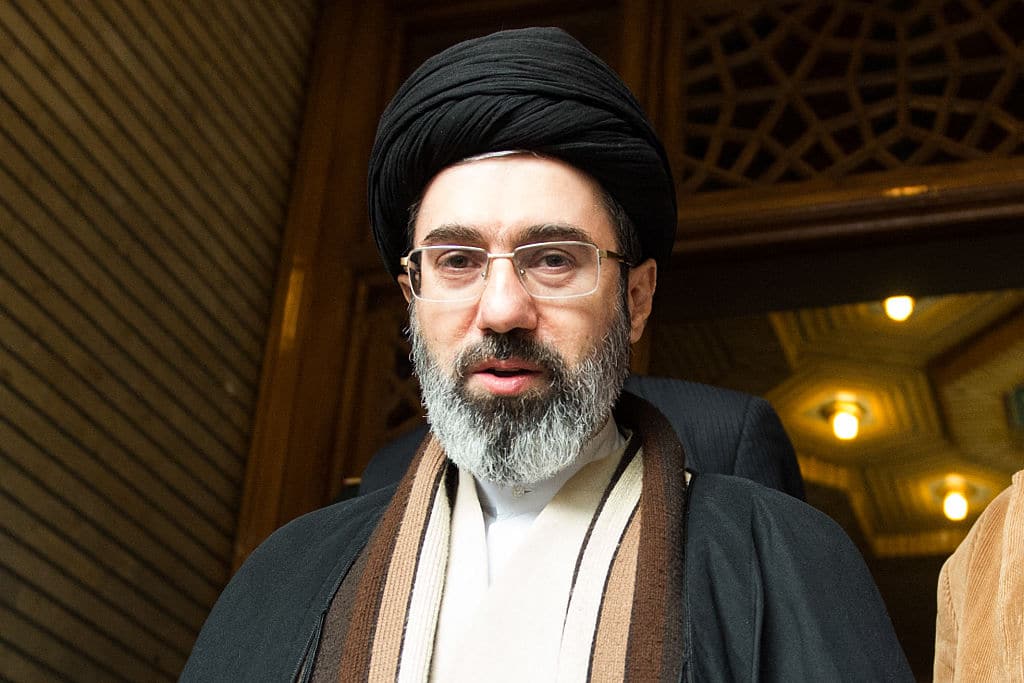
The report, first cited by The Times of London, claims that Mojtaba Khamenei — the 56-year-old son elevated as successor following reports of his father’s death during initial strikes — is receiving medical treatment in the holy city of Qom. According to the memo, he has been effectively sidelined from governing due to his injuries.
If accurate, the implications are not merely significant. They are destabilizing.
His absence from public view has produced a fog of competing claims. Some accounts describe relatively minor injuries. Others allege he may be in a coma. This latest assessment lands firmly at the most severe end of that spectrum.
And yet the statements keep coming.
Iranian state media continues to broadcast messages attributed to Khamenei — threatening retaliation against the United States and Israel, pledging continued support for militant proxies across the region. “I assure everyone,” one such statement read, “that we will not refrain from avenging the blood of your martyrs.”
The contradiction is not subtle. The public messaging projects an active, defiant leader. The intelligence picture suggests someone unable to function. Taken together, they raise an unsettling possibility: that decisions are being made by other power centers inside the regime, while Khamenei’s name is deployed as a prop — a symbol of continuity in a government that may, in fact, have no one at the wheel.
That is not a reassuring thought. It should concentrate minds in Washington.