There is a darkness settling over Cuba that is no longer metaphorical.

On Monday, the island’s electrical grid failed completely — a “total disconnection,” in the clinical language of the Ministry of Energy and Mines. Eleven million people lost power.
It was not the first time. It will not be the last.
The outage is the latest convulsion in a crisis that has been building for years, driven by fuel shortages, decaying infrastructure, and an economy that has been losing ground for decades.
President Miguel Díaz-Canel disclosed last week that Cuba had not received an oil shipment in more than three months. The country has been running on solar panels, natural gas, and thermoelectric plants so old and worn that they fail with increasing regularity.
Earlier this month, the Antonio Guiteras plant — one of the island’s largest — went down, leaving millions in western Cuba without power.
The human cost is no longer abstract. Díaz-Canel acknowledged that tens of thousands of surgeries have been postponed because hospitals cannot be assured of electricity. Think for a moment about what that means. Not inconvenience. Not discomfort. People waiting in pain, or in danger, because a government cannot keep the lights on.
Havana blames Washington. Cuban officials say American sanctions have choked off the fuel imports their aging oil-fired plants require to function. Venezuela, historically Cuba’s lifeline, has sharply reduced its shipments. Cuba produces roughly forty percent of the petroleum it consumes domestically — the rest must come from outside, and outside has grown increasingly inhospitable.
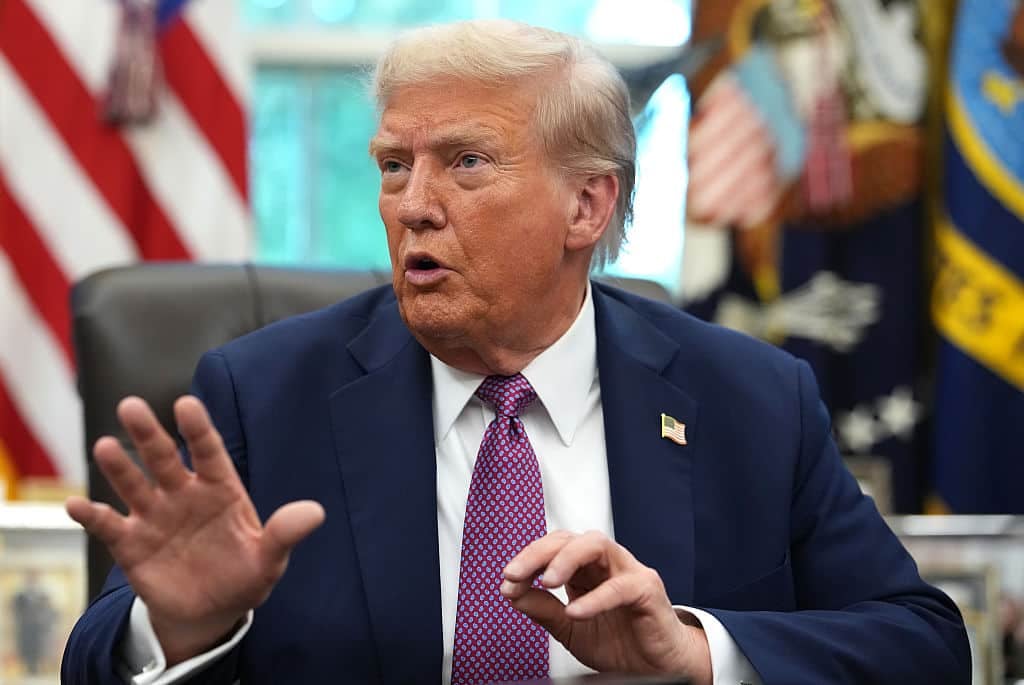
Into this moment stepped the President of the United States. “I do believe I’ll have the honor of taking Cuba — in some form,” President Trump said Monday. “Whether I free it, take it — I can do anything I want with it, if you want to know the truth. It’s a weakened nation.”
He is not wrong about the weakness. A government that cannot deliver electricity, cannot perform surgeries, cannot keep its people from sitting in the dark — that government has already lost something essential, whatever flags still fly above its ministries.
What Trump intends by “taking” Cuba, in whatever form, remains characteristically undefined. But the timing is notable. Díaz-Canel said Havana has opened discussions with Washington, an acknowledgment — rare for this government — that the crisis has grown too large to manage alone.
Cuba has been in crisis before. It has endured the Special Period of the 1990s, the slow withdrawal of Soviet support, decades of embargo and isolation. Its people are resilient in ways that are almost heartbreaking. But resilience is not a policy, and endurance is not a solution.
🚨 BREAKING: President Trump announces he will have the "honor of TAKING CUBA"
"Whether I free it, TAKE IT — I can do anything I WANT with it!"
"They're a very weakened nation."
Sec. Marco Rubio has been working on Cuba behind the scenes as well
HERE WE GO! 🇺🇸🇨🇺 pic.twitter.com/OQMjgQ3eYd
— Eric Daugherty (@EricLDaugh) March 16, 2026