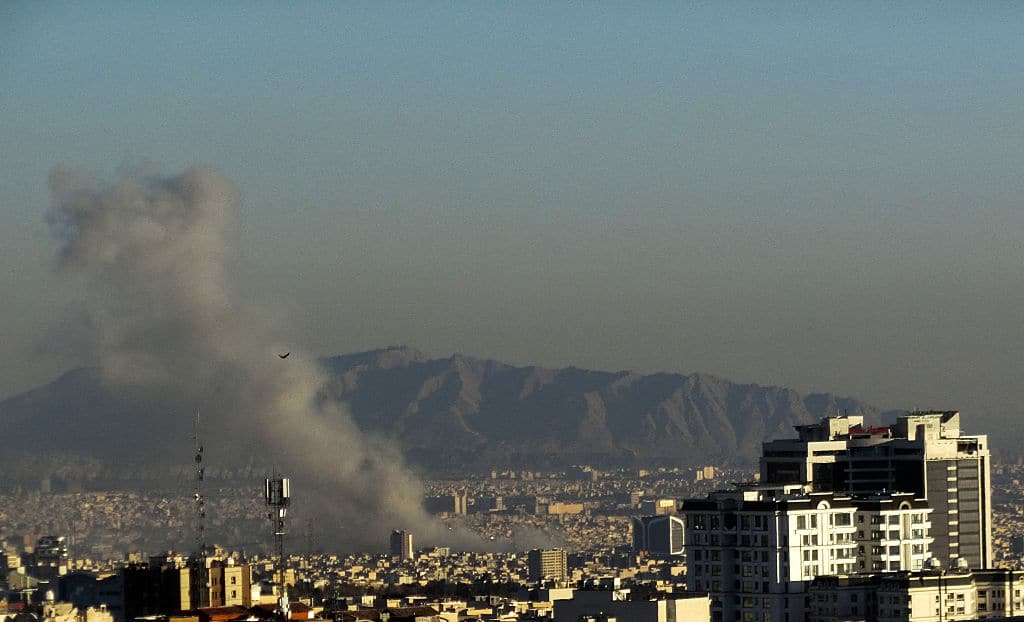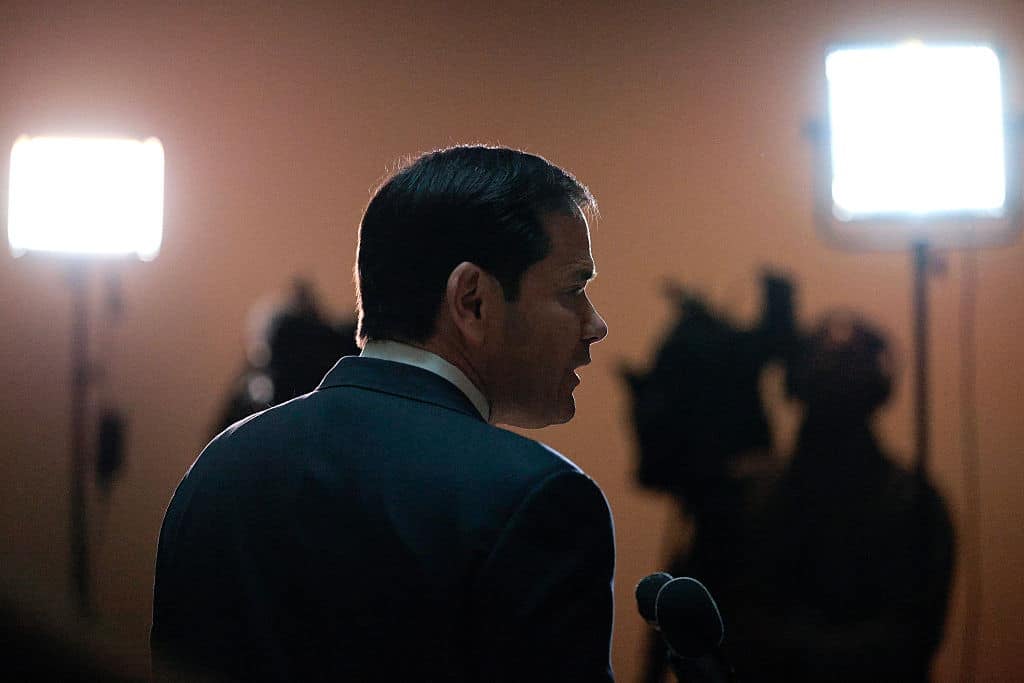
Secretary of State Marco Rubio strode into the Capitol and delivered a message as crisp as a gavel strike: President Trump did not need Congress’s permission to hit Iran.

“No,” Rubio said, when asked if lawmakers had to weigh in first.
The answer was not wrapped in legalese. It was wrapped in confidence.
“We notified Congress. We notified the Gang of Eight. We notified the congressional leadership. There’s no law that requires us to do that,” he said.
Rubio’s point was simple. The War Powers Resolution requires notice within 48 hours of hostilities. The administration says it gave that notice. Beyond that, he argued, there is no statute forcing a president to ask leave before acting.
“The law says we have to notify them 48 hours after beginning hostilities. We’ve done that,” Rubio said. “But there’s no law that requires the president to have done anything with regards to this.”
Then came the broader claim — one that stretches back through decades of presidents in both parties.
“No presidential administration has ever accepted the War Powers Act as constitutional.”
It was less a legal brief than a reminder: for half a century, presidents have saluted Congress and then sailed on.
Rubio closed the loop with finality.
“We’ve complied with the law 100%, and we’re going to continue to comply with it.”
In Washington, the debate will rage — parchment versus power, Article I versus Article II. But the administration’s position is clear: the president acted, the notice went out, and history will argue the rest.
In matters of war, the clock moves faster than Congress.
Watch the clip below:
🚨 BREAKING: Sec. Marco Rubio is on FIRE right now
"Why not notify Congress?!"
RUBIO: "We can't notify 535 members of Congress. Vote on whatever they want. There's NO law saying we have to do that."
"We did notify the Gang of 8…NO LAW requires the president! NO presidential… pic.twitter.com/nrtf9sWNFt
— Eric Daugherty (@EricLDaugh) March 2, 2026