The pollster confessed before anyone in the newsroom caught on.

On Tuesday night, Wedgewood Polls, a young firm whose numbers had made their way into The New York Times’ poll tracker and onto the pages of Newsweek, admitted it had invented them. The firm said it had “no history, formal credentials, or real data behind the vast majority of our releases.” It said it was testing how easily a fake operation could be taken seriously.
Its answer: “The short answer: Far too easy.”
Consider what that means. Nobody hacked a database or forged a document. Someone made up percentages, put a respectable name on them, and sent them out. Some of the most self-assured institutions in American media treated them as fact.
Wedgewood didn’t come clean because its conscience caught up with it. It came clean because it got caught. The polling site FiftyPlusOne had been examining the firm’s raw data and confronted it with what it found. Wedgewood didn’t answer the questions. It posted a statement.

The firm now claims just one of its polls, in Nebraska, was real. It told one X user it “planned to publish 3 more polls and then reveal it after the midterms.” That is, after the votes were counted.
Then there’s Michigan.
Wedgewood’s Oct. 9 poll had Democrat Jocelyn Benson beating Republican John James for governor, 55% to 45%. It had Abdul El-Sayed, from the party’s far left, leading Republican Mike Rogers for Senate, 53% to 47%. Clean numbers, a comfortable Democratic lead, released weeks before an election. They fit the story many in the press already wanted to tell, which is probably why nobody looked closely. Wedgewood says its “fabricated numbers” were “cited on air and in reporting by outlets such as MS NOW.”
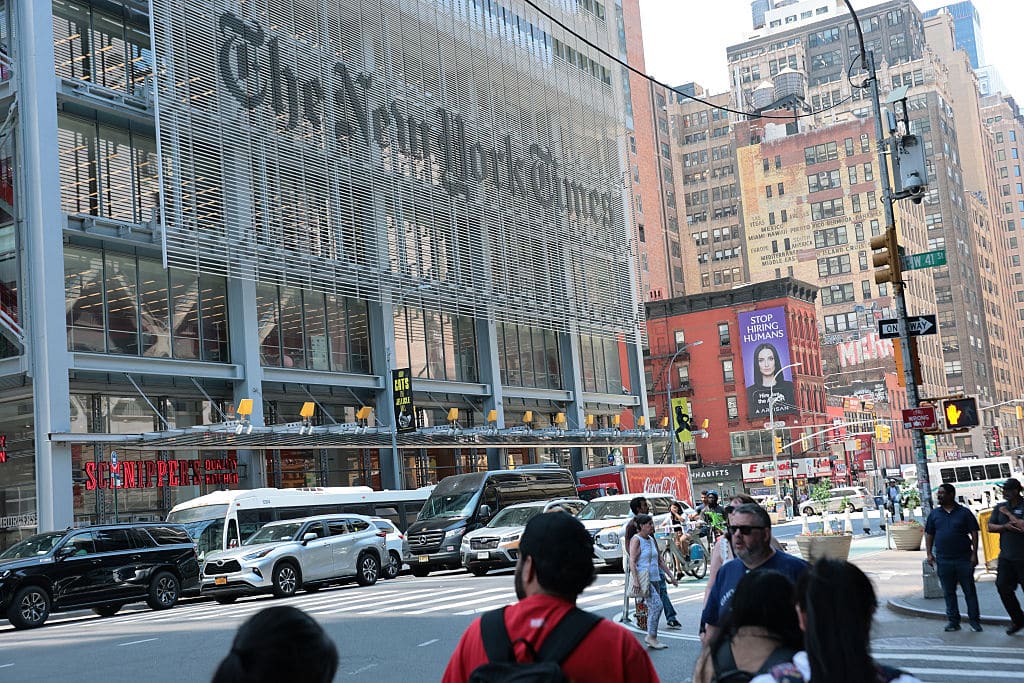
Now the cleanup. The Times added an editor’s note and removed every Wedgewood poll from its tracker. Newsweek retracted three articles and corrected others. Decision Desk HQ pulled 17 Wedgewood polls from its lists and averages.
The corrections are fine as far as they go. But a correction runs once, quietly, after the impression has already formed. The headline it fixes was read, shared, and believed.
This has happened before. In August, an outfit called Median Strategies admitted to the Los Angeles Times that its poll showing Mayor Karen Bass nearly 12 points ahead of Councilmember Nithya Raman was bogus. Bass had promoted it.
That’s two fake pollsters in two months, and both got their numbers in front of voters. The outlets that spend so much effort warning Americans about misinformation turned out to be its easiest customers.
The lesson isn’t that every poll is fake. It’s that a poll is only as good as the people checking it, and this fall, apparently, nobody was checking.