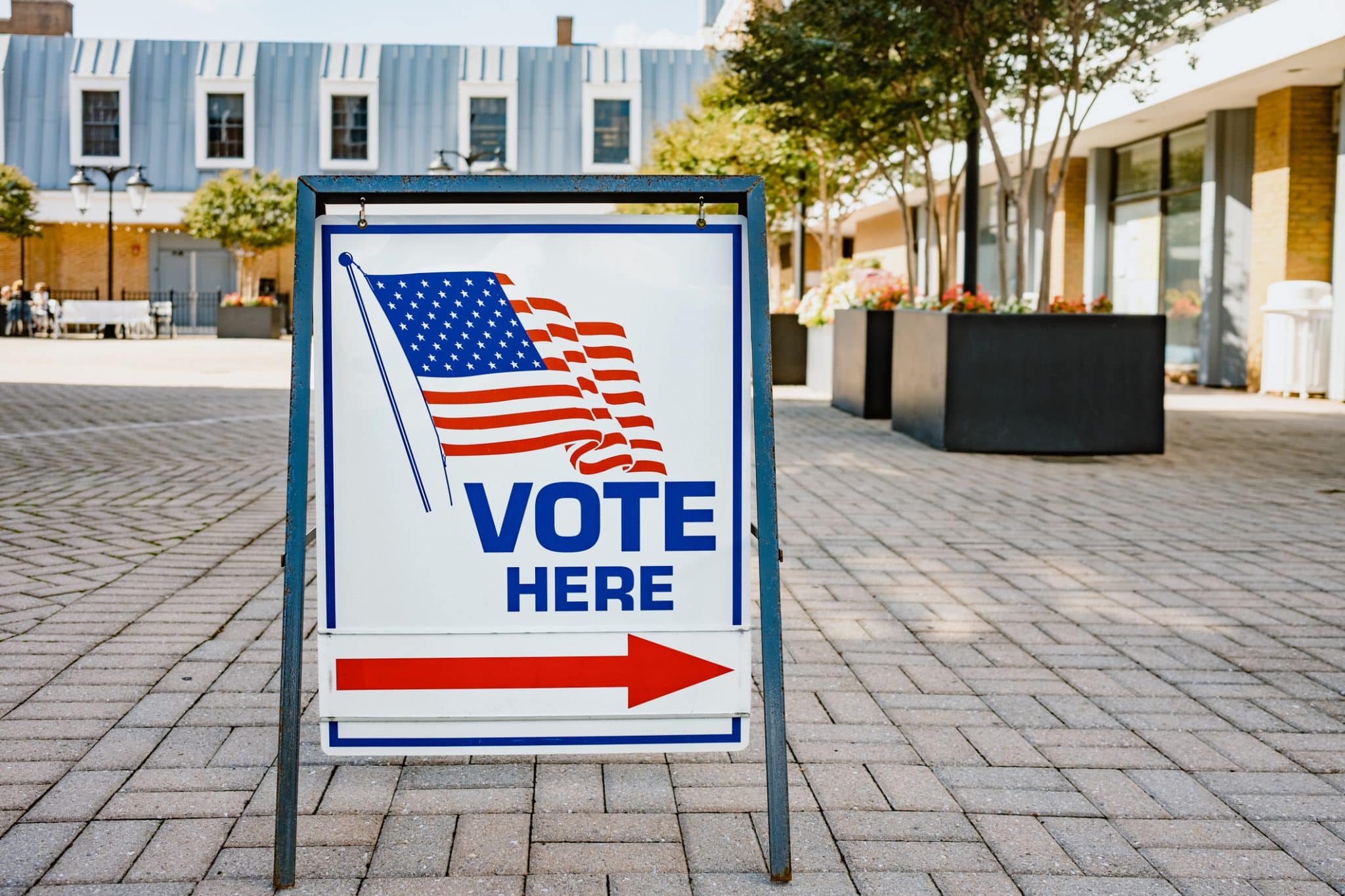
Only citizens vote in American elections.

That’s the law, and until Friday, a federal judge was making it harder to enforce.
The Supreme Court fixed that.
By a 6-3 vote, the justices granted the Trump Justice Department’s emergency request and put on hold a June ruling from a Washington, D.C., judge who had blocked Homeland Security’s upgraded SAVE citizenship database, the tool states and localities use to confirm that the people on their voter rolls are citizens.
The majority was direct. It said the challengers’ claims “likely lack merit” and signaled it expects to reverse the lower court. The justices also said immigration law obligates Washington to answer when state and local election officials ask it to verify a voter’s citizenship.

A county clerk wants to know whether a registered voter is eligible. The federal government has the records. For three months, a single judge said it couldn’t share them.
President Trump’s position is that the government should help states keep their rolls accurate.
The other side says it shouldn’t.
SAVE has been around for about 40 years, built to check immigration status for public benefits. If it can guard a welfare check, it can guard a ballot. The Trump administration modernized it for the job. Many states uploaded their voter lists, and tens of millions of records were checked before Judge Sparkle Sooknanan blocked it in June. The D.C. Circuit left her order in place. The Supreme Court didn’t.
The early results show why this matters. When Texas ran its full list of 18 million voters through SAVE, 2,724 came back flagged as potential noncitizens. Critics call that number small. A House race can turn on 300 votes. Every ineligible ballot cancels out a citizen’s.
A flag is a reason to look closer. Responsible election officials look closer.
The League of Women Voters and a privacy group sued, warning of a federal “master database.” Every liberal justice sided with them. None of them has said how a state is supposed to confirm citizenship if the federal government, which holds the records, can’t tell it.
The midterms are close. The administration and Republican state officials argue that the 90-day rule on systematic purges exists to protect eligible voters, not people who were never eligible to begin with. The court’s majority wrote that the lower court’s order interfered with Washington’s efforts to help states run the midterms properly.
Republicans have argued for years that election integrity is basic administration, not paranoia. Check the rolls. Confirm eligibility. Count the votes of the people entitled to cast them.
On Friday, six justices agreed.