The bulldozers can keep rolling.

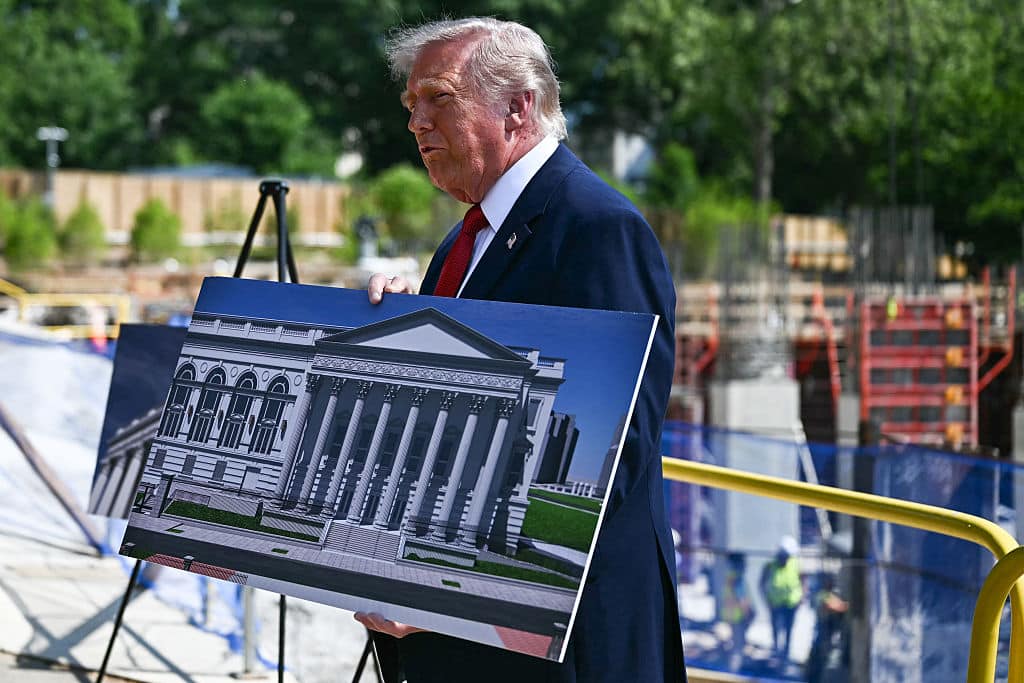
The Supreme Court on Monday cleared the way for Donald Trump to keep building his $400 million White House ballroom, siding with the administration in a 5-4 ruling that let construction resume while the underlying legal fight grinds on.
Chief Justice John Roberts wasn’t having it. He broke from his five fellow conservatives and joined the court’s three liberal justices in dissent, calling the project “likely unlawful” in a pointed six-page opinion.
Congress, he wrote, holds “plenary constitutional authority” over federal property in Washington, and federal law bars new structures on government land in the capital without its say-so.
The ballroom sits on President’s Park. Congress never signed off.
The majority didn’t touch that argument head-on. Instead, the ruling turned on standing: the National Trust for Historic Preservation, which sued to stop the project, hadn’t shown it had the legal footing to block it.
That’s a narrower call than a verdict on whether the ballroom itself is lawful — and the underlying case keeps moving through the lower courts.
Here’s the backstory.
The administration tore down the White House East Wing last fall to make room for the new 90,000-square-foot addition — a building that once housed the first lady’s offices and the entrance used to welcome visiting dignitaries. The National Trust sued in December, arguing the project skipped required approvals, environmental review, and congressional authorization altogether. A federal judge agreed and ordered construction halted. The administration appealed, and Monday’s order undoes that halt.
The White House says the project is privately funded, not a taxpayer expense, and points to security concerns — including recent threats against the president — as justification for pressing ahead.
Trump has promised it’ll be “the greatest of its kind ever built.”
Roberts wasn’t buying the framing. His dissent argued the ruling doesn’t just green-light a ballroom — it chips away at the separation of powers, letting the executive branch route around Congress’s control of federal land and its power of the purse.
For now, none of that stops the construction crews. The legal fight over whether the ballroom can ultimately stand continues in the lower courts.
But the cranes are back at work.