Something strange happened in Juneau this summer. More than 3,000 Alaskans got a letter from the state asking a simple, almost old-fashioned question: are you a citizen?

Normally that letter goes out to about 200 people a year — a quiet bit of housekeeping as Alaska checks its voter rolls against DMV records. This year the number jumped fifteen-fold.
Carol Beecher, who runs the state’s Division of Elections, told lawmakers this week that “old data” got swept up somehow in the comparison. Nobody’s yet said exactly how a filing cabinet’s worth of outdated records ended up flagging thousands of real, live citizens.
And some of those citizens are not happy. A state representative says constituents who’ve voted for decades opened their mail to find their citizenship in question. That’s not a small thing.
To her credit, Beecher isn’t hiding from the mess. She’s told lawmakers plainly what she knows and doesn’t know. Nobody has to send in a birth certificate or a passport — an email or a phone call affirming citizenship is enough, and those who don’t respond can still vote using a ballot that requires them to swear to their eligibility.
This isn’t voters being tossed off the rolls. It’s voters being asked, a little clumsily, to say yes, I’m still me.
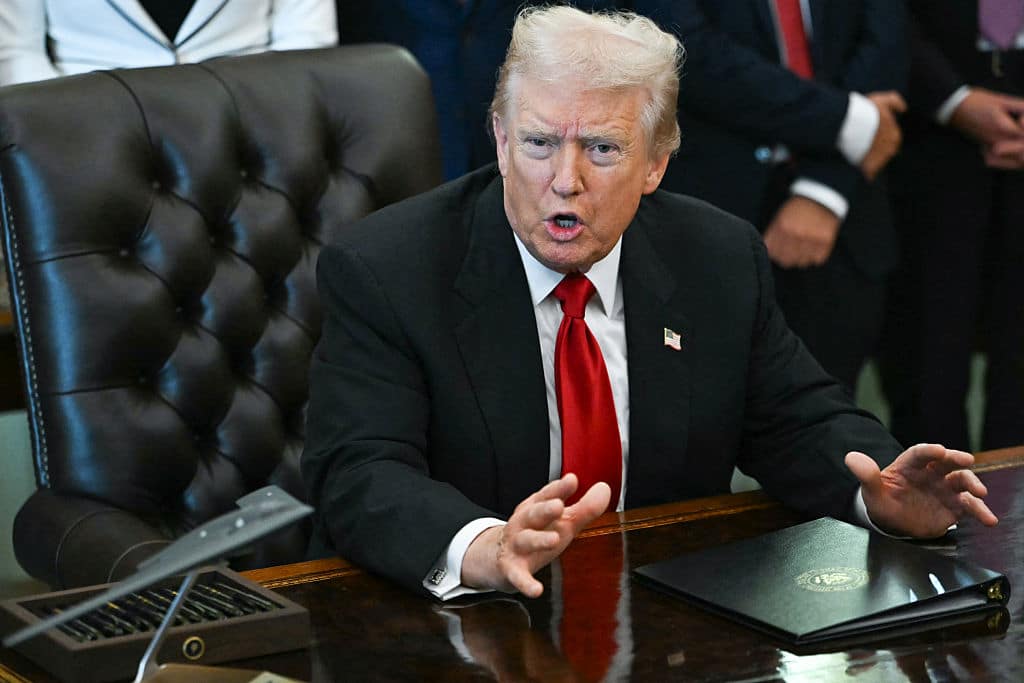
But clumsy still matters. This is happening as President Trump pushes Congress for tougher proof-of-citizenship rules nationwide, and as red and blue states alike wrestle with how to keep rolls clean without scaring off people who have every right to vote.
Alaska just showed how easily a well-meant check can turn into 3,000 pieces of unwanted mail — and 3,000 small moments of doubt about whether the system trusts its own citizens.
Voter ID is popular with the American people — it may be time for lawmakers to listen and restore trust in our election systems and processes.